
A roof replacement in Austin commonly costs about $8,000 to $18,000 for a typical architectural-asphalt-shingle system in 2026. Small, simple roofs can fall below that range. Large homes, steep or complex rooflines, premium shingles, metal roofing, and damaged decking can push the project well above it.
The roof replacement cost Austin homeowners actually pay depends on measurable factors, not guesswork. Below we break down the planning ranges, the seven biggest cost drivers and what a complete estimate should include, so you can compare bids with confidence.

That range is useful for early planning, but the square footage of your house is not enough to price the job. Roofers measure the actual sloped roof surface, then account for pitch, waste, tear-off, flashing, ventilation, access, material, and the condition of the deck below the old shingles. The only reliable final number is a written estimate based on an inspection and measurements of your roof.
Typical Austin roof replacement planning ranges
| Roofing system | Common 2026 planning range | What changes the price |
|---|---|---|
| Architectural asphalt shingles | $8,000–$18,000 | Roof area, pitch, layers, flashing and ventilation |
| Class 4 impact-resistant shingles | $10,000–$22,000+ | Product line, roof complexity and warranty |
| Standing-seam metal | $20,000–$45,000+ | Panel gauge, roof geometry, trim and underlayment |
| Tile or specialty systems | Project-specific | Structural capacity, material, access and detailing |
These are planning ranges, not a quote or insurance valuation. Current Austin cost reports vary because they measure different roof sizes and project scopes. For example, Angi’s 2026 Austin data covers a broad range of smaller and larger projects, while full local contractor scopes often include tear-off, underlayment, flashing, ventilation, disposal, and stronger material specifications.
The seven factors that move an Austin roof quote
1. Actual roof size—not house square footage
A 2,000-square-foot home rarely has exactly 2,000 square feet of roofing. Slope, overhangs, garages, porches, dormers, and intersecting roof planes increase the surface area. Roofing is measured in “squares,” with one square equal to 100 square feet of roof surface.
2. Pitch, height, and roof complexity
A simple one-story gable is faster and safer to work on than a steep two-story roof with valleys, chimneys, skylights, walls, and multiple levels. Those transitions also require more flashing and careful waterproofing.
3. Material and performance level
Standard architectural shingles are usually the most budget-friendly complete system. Class 4 shingles cost more but are designed for greater impact resistance—an important consideration in Central Texas hail. Standing-seam metal has a higher initial cost and a different installation process, but many homeowners value its longevity, appearance, and heat performance.
4. Tear-off and disposal
The number of existing layers, the weight of the material, driveway access, landscaping protection, and disposal fees all affect labor. An estimate should state whether full tear-off, hauling, and magnetic cleanup are included.
5. Decking and hidden damage
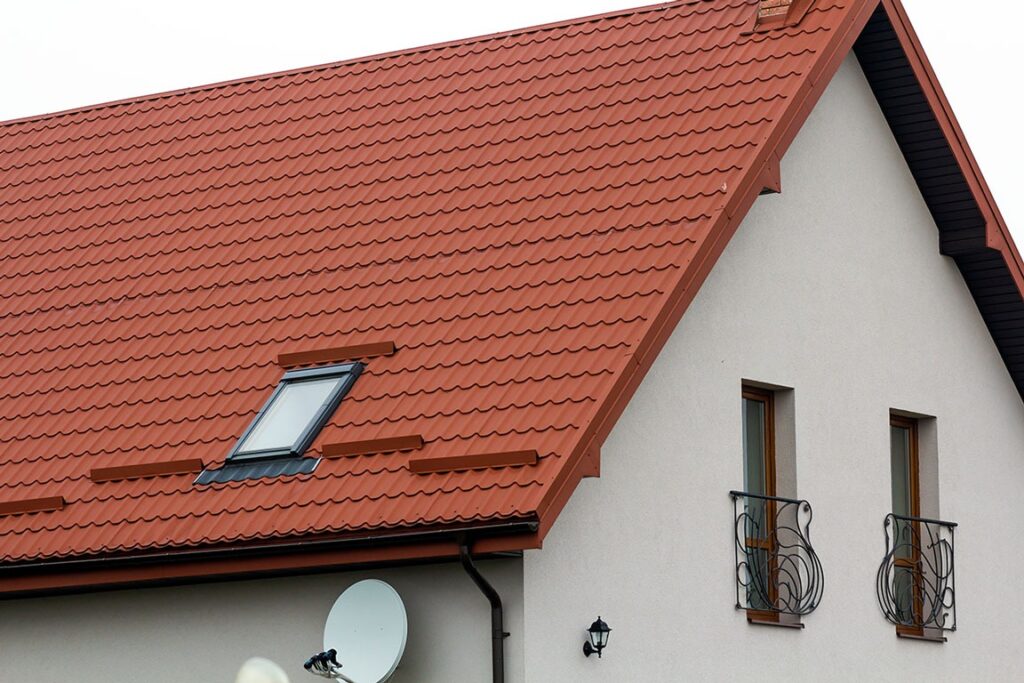
The roof deck cannot be fully evaluated until the old material is removed. Soft, rotted, or delaminated sheathing must be replaced before the new system goes on. Ask for a per-sheet decking price in the proposal so a hidden condition does not become a blank check.
6. Flashing, penetrations, and ventilation
Pipe boots, walls, chimneys, skylights, valleys, edge metal, intake vents, and exhaust vents are part of the roof system. A low quote may reuse components that a complete proposal replaces. Compare the scope line by line, not just the total.
7. Warranty and installation standards
Material brand matters, but correct fastening, underlayment, flashing, ventilation, and workmanship matter just as much. Confirm both the manufacturer’s material warranty and the contractor’s workmanship coverage in writing.
Does Austin require a permit for roof replacement?
Some non-structural roof-covering repairs and replacements may be exempt, while other projects can require an express permit or additional review. Properties in Austin’s Wildland-Urban Interface may also have material requirements. The City of Austin Development Services Department explains current qualifications and exemptions.
Requirements can differ in Lakeway, Bee Cave, Westlake, Round Rock, Cedar Park, Dripping Springs, Spicewood, and unincorporated areas. A local contractor should verify the rule for the exact address rather than assume every Central Texas jurisdiction works the same way.
Repair or replace: which is the better value?
A leak does not automatically mean you need a new roof. A focused roof repair may be appropriate for an isolated flashing issue, a small wind-damaged area, or a limited number of missing shingles. Replacement may be the stronger long-term decision when damage is widespread, leaks keep returning, materials are brittle, or the roof is near the end of its useful life.

Start with a documented roof inspection. Ask the inspector to show photos, explain the cause, and separate immediate problems from normal aging or future maintenance.
How insurance changes the conversation
If wind or hail caused the damage, review your policy and contact your insurer or agent promptly. Deductibles, exclusions, depreciation, deadlines, and settlement methods vary. A roofer can document damage and price construction work, but the insurer determines coverage.
Texas law prohibits contractors from waiving or absorbing a property-insurance deductible. The Texas Department of Insurance also warns that a contractor performing the work cannot act as your public insurance adjuster. Impact R&R can help with construction documentation and roof insurance documentation information while keeping those roles clear.
What a complete roof estimate should include
- Measured roof area, pitch, waste allowance, and number of tear-off layers
- Exact shingle, metal, tile, underlayment, and accessory product names
- Flashing, edge metal, valleys, penetrations, and ventilation scope
- Decking-replacement unit pricing and change-order approval process
- Property protection, debris removal, magnetic cleanup, and final inspection
- Permit responsibility when a permit is required
- Start window, estimated installation duration, payment schedule, and warranties
Use the same checklist for every proposal. A cheaper total may be the better value—or it may simply omit components that another contractor included.
How long does roof replacement take?
Many Austin asphalt-shingle replacements take one to two installation days after materials, scheduling, and any required approvals are ready. Larger or steeper roofs, specialty materials, hidden deck repairs, and changing weather can extend the project. Our guide to Austin roof replacement timelines walks through the full process.
Get an exact roof replacement estimate
The fastest way to move from a broad cost range to a useful number is to measure the roof and inspect the system. Impact Roofing & Renovation serves Austin, Lakeway, Bee Cave, Dripping Springs, Spicewood, Cedar Park, Westlake, and Round Rock.
Schedule a free roof inspection or call (512) 298-2086. We will document the condition, explain repair and replacement options, and provide a written scope for your home.
Roof Replacement Cost Austin Checklist: 5 Ways to Compare Bids Fairly
- Same scope. Make sure every bid includes tear-off, underlayment, flashing, ventilation and clean-up.
- Same material line. Compare the same shingle or metal product, not just the brand.
- Decking allowance. Ask how replacement plywood is priced if rot is found.
- Warranties in writing. Confirm both manufacturer and workmanship coverage.
- Payment terms. Avoid large upfront payments and anyone offering to cover your deductible.
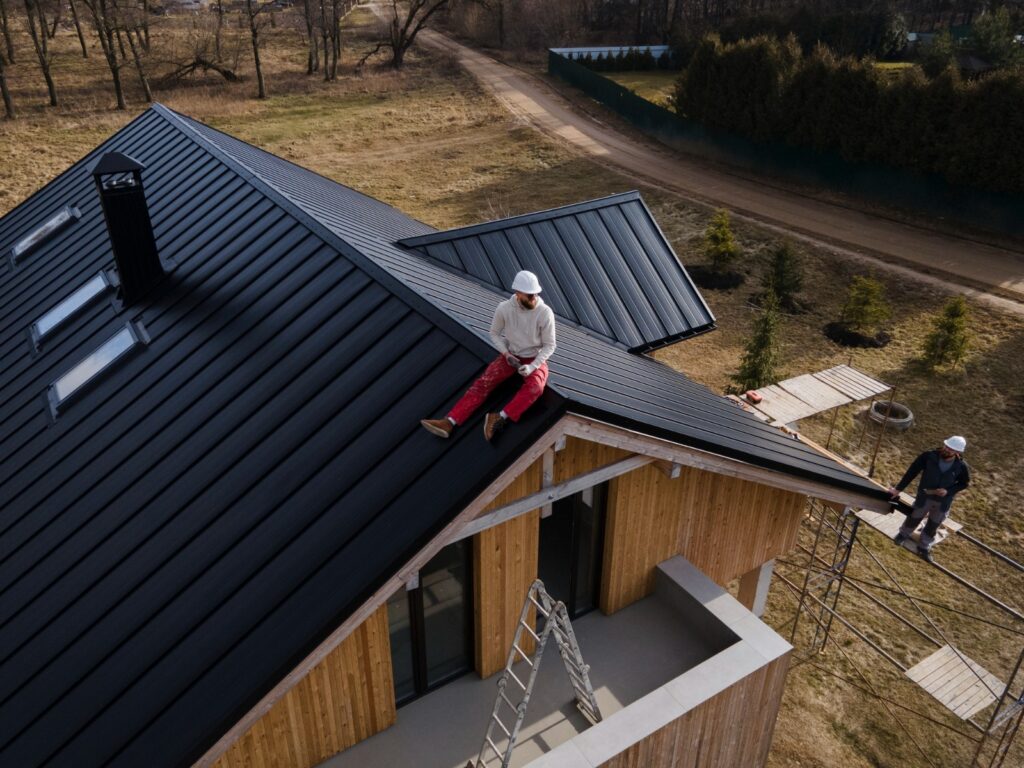
A lower roof replacement cost is only a better deal if the scope matches. Our free inspection comes with a line-item roof replacement estimate, and we are happy to price a standard shingle and a Class 4 impact resistant roof side by side.
Frequently asked questions
What is the average cost of a new roof in Austin?
For early 2026 planning, many architectural-shingle replacements fall around $8,000 to $18,000. Your roof’s measured area, pitch, complexity, tear-off, decking, ventilation, flashing, and material determine the real price.
Is a Class 4 shingle worth the extra cost in Austin?
It can be a good fit for hail-prone Central Texas, especially for homeowners planning to stay long term. Ask your insurer whether the specific product qualifies for a premium discount and compare the written warranty and installed cost.
Can I put new shingles over old shingles to save money?
Overlaying can hide deck or flashing problems and may conflict with local requirements or manufacturer instructions. Full tear-off allows the crew to inspect the deck and build a complete system from the surface up.
How much should I pay upfront?
Payment schedules vary, but be cautious with demands for full payment before work begins. The contract should clearly state deposits, progress payments, material ownership, and final payment conditions.