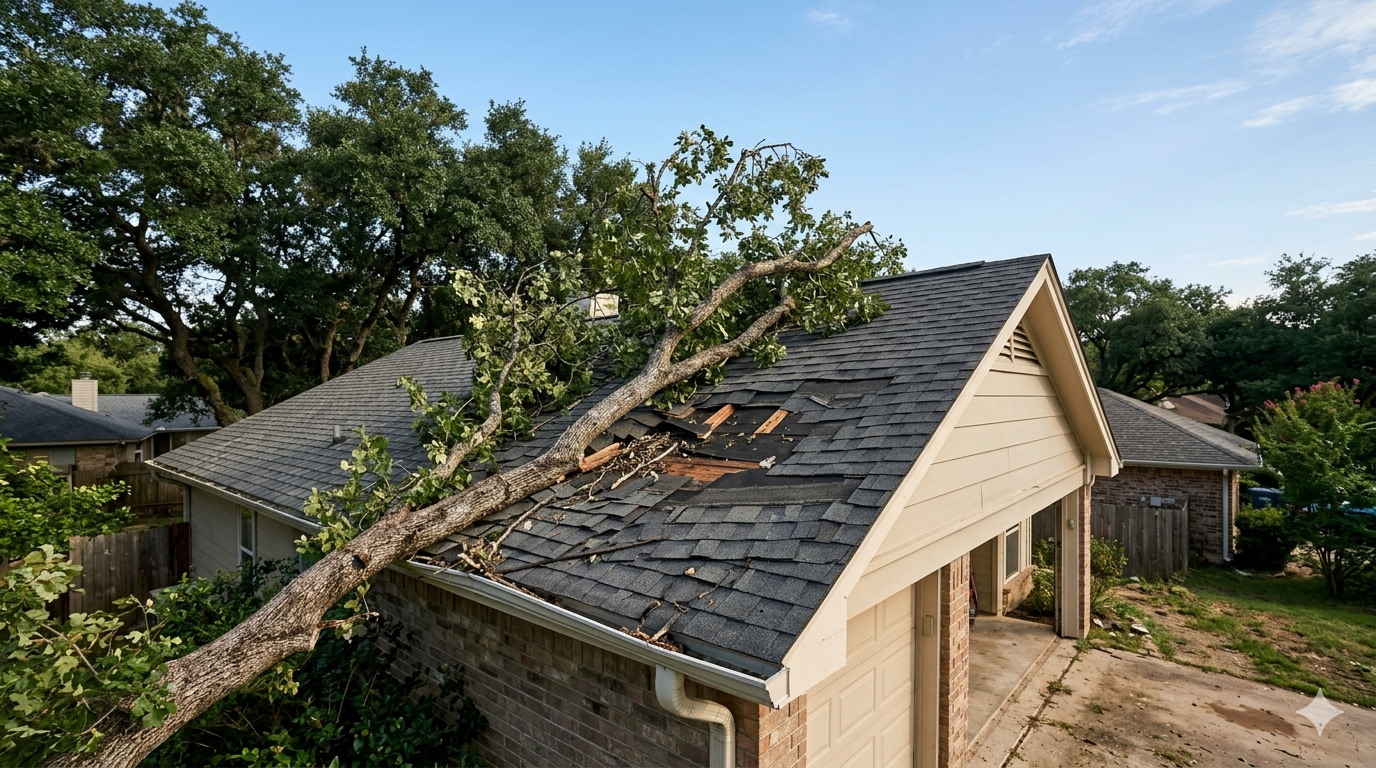
Storm Damage & Insurance Claims — Know Your Options
When a hailstorm or high winds damage your roof, the insurance process can feel overwhelming. We give you clear information, honest damage documentation, and a roof built right once your claim is approved.
How Impact Roofing Supports Your Insurance Claim
Free Damage Inspection
We get on your roof and inspect every inch: shingles, flashing, gutters, vents, skylights, and any other components the storm may have affected. At no charge.
Thorough Photo Documentation
We photograph every area of damage in detail — hail strikes, granule loss, lifted shingles, bent gutters, cracked flashing so you have a complete visual record to support your claim.
Written Damage Summary
We provide you with a written summary of our findings that you can share with your insurance company when you file. Clear, organized, and specific.
We're Available for Questions
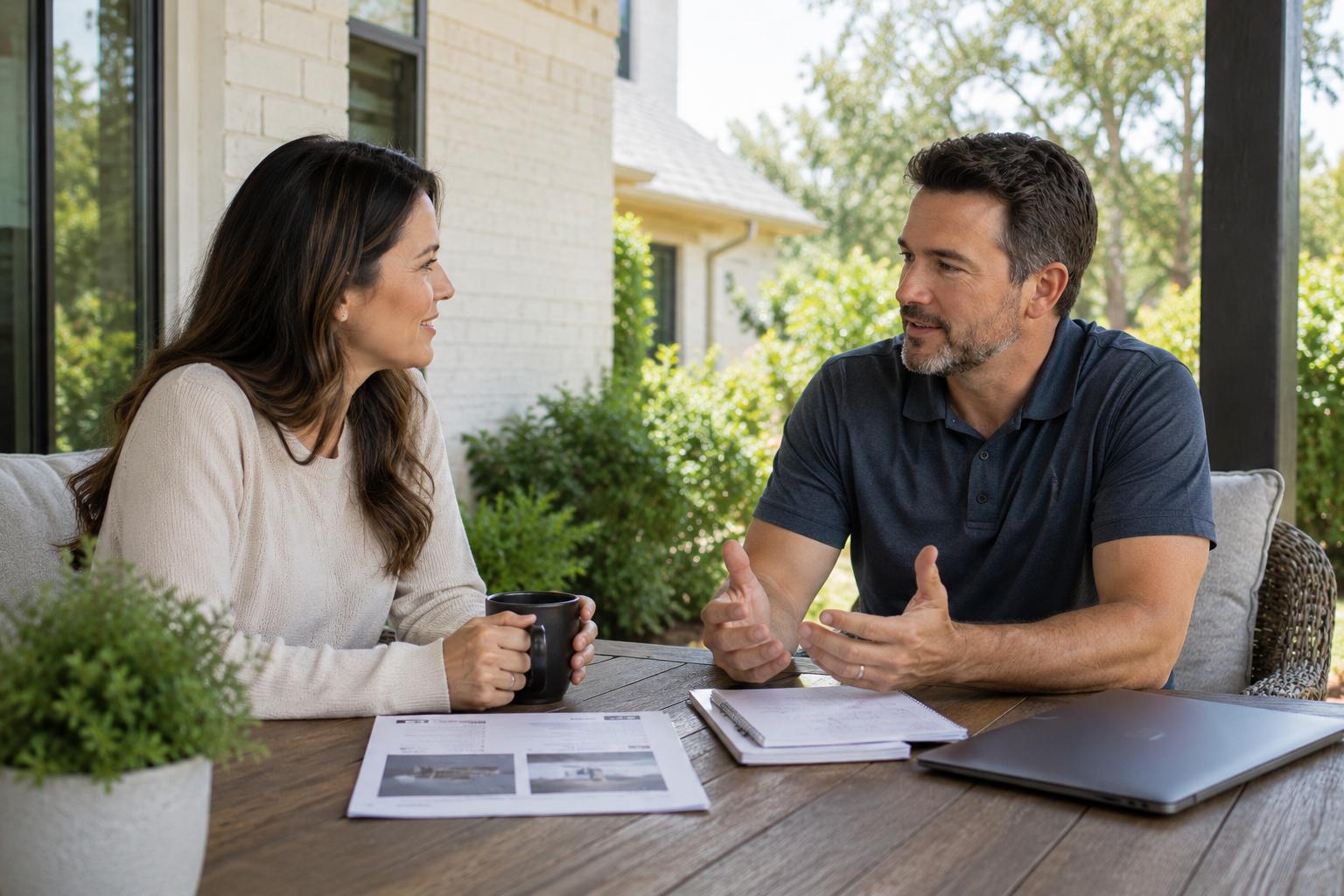
If you receive an estimate from your insurer that does not make sense, or if you have questions as the process moves forward, call us. We are happy to help you understand what you are looking at.
We Walk You Through the Process
We explain what to expect at each stage of a typical roofing insurance claim in plain language: how to file, what an adjuster looks for, what questions to ask, and what your policy likely covers.
Full Roof Installation Once Approved
When your claim is approved and you are ready to move forward, we install your new roof to the full approved scope using premium materials GAF, Owens Corning, CertainTeed.
Why a Professional Damage Inspection Matters Before You File
See What's Actually There
We get up on the roof and physically inspect every surface. Hail damage, in particular, often goes unnoticed from the ground and can be missed in a rushed inspection.
Give You a Record
Our written summary and photos give you organized documentation to reference when you contact your insurance company something to anchor the conversation around.
Help You Ask Better Questions
Knowing what was found and where helps you have a more informed conversation with your adjuster and understand whether the resulting estimate reflects the full scope of damage.
What Texas Homeowners Should Know About Roof Insurance Claims
You have the right to choose your own contractor.
In Texas, your insurance company cannot require you to use a specific roofing contractor or preferred vendor list. You have the legal right to hire any contractor you choose. If you are being pressured to use someone in particular, that is worth pushing back on.
Weather-related claims typically work differently than other claims.
Many Texas policies treat storm damage claims hail, wind, falling trees differently from at-fault or liability claims. Filing for storm damage does not always affect your premium the same way. That said, every policy is different, so it is worth a call to your carrier to ask before you file.
Act reasonably quickly after a storm.
Your policy will have specific deadlines for reporting damage and filing a claim. We recommend getting a professional inspection done shortly after a storm so any damage is documented while it is still clearly storm-related.
A denied or low claim is not necessarily final.
If your claim comes back denied or lower than expected, there are options requesting a re-inspection, providing additional documentation, or engaging a licensed public adjuster to represent you formally. We can help you understand the situation and point you toward next steps, though formal claim negotiation is outside our role as a roofing contractor.
Texas does not require roofing contractor licensing so choose carefully.
Confirm that any roofing contractor is local with general liability insurance before agreeing to anything.
Texas does not require roofing contractor licensing so choose carefully.
Because Texas has no state license requirement for roofers, storm season brings out unqualified crews. Ask any contractor for proof of general liability insurance and workers' comp before agreeing to anything. We provide both, in writing, before any work begins.
Common Questions About Roof Insurance Claims
For most Texas homeowners, weather-related claims from hail or wind are treated differently from at-fault or liability claims. Filing for storm damage often does not raise your premium the same way. That said, every policy and carrier is different. We recommend calling your insurance company directly to ask about your specific situation before filing they are required to answer that question honestly.
Hail damage on asphalt shingles appears as dark, circular bruising marks where granules have been knocked loose from the mat underneath. It also shows up as dents on gutters and metal vents, and sometimes as splits or dents on wood trim. The challenge is that meaningful hail damage is often not visible from the ground. A professional inspection gets eyes on the actual surface and gives you a clear picture of what is there.
Not necessarily. If you believe damage was missed, you have the right to request a re-inspection or provide additional documentation to your insurance company. Having a written summary and photos from a professional inspection gives you something specific to reference in that conversation. If the gap is significant, some homeowners choose to engage a licensed public adjuster someone who formally represents them in the claims process. That is outside our role, but we can help you understand your options.
No. In Texas, you have the right to choose your own licensed contractor. Your insurance company may suggest vendors, but you are under no obligation to use them. Choose someone with a real local presence, verifiable insurance, and a warranty you can actually hold them to.
Yes it is very different. A public adjuster is a licensed professional who formally represents homeowners in the insurance claims process. They work on your behalf to negotiate the claim settlement, and they typically charge a percentage of the claim payout. We are a roofing contractor. We inspect your roof, document what we find, explain the process in plain language, and install the roof once your claim is approved. We do not negotiate with insurance companies or represent you in the claim.
ACV stands for Actual Cash Value your payout is reduced for depreciation, so you receive what the old roof was worth, not the full cost of replacing it. RCV stands for Replacement Cost Value you receive enough to cover the actual replacement cost. Most standard homeowner policies include RCV coverage, but it is worth confirming what you have. If your policy is ACV, your out-of-pocket costs will be higher something to factor in as you plan.
Once your claim is approved and you are ready to move forward, you schedule with us and we install your new roof. We work from the approved scope, use premium materials — GAF, Owens Corning, or CertainTeed and back everything with our lifetime workmanship warranty. The goal is a roof that performs better than what was there before.
No. Our roof inspection is free. There is no charge and no obligation. We come out, inspect the roof, document what we find, and give you a clear picture of the condition. What you do with that information is entirely up to you.
Related Services
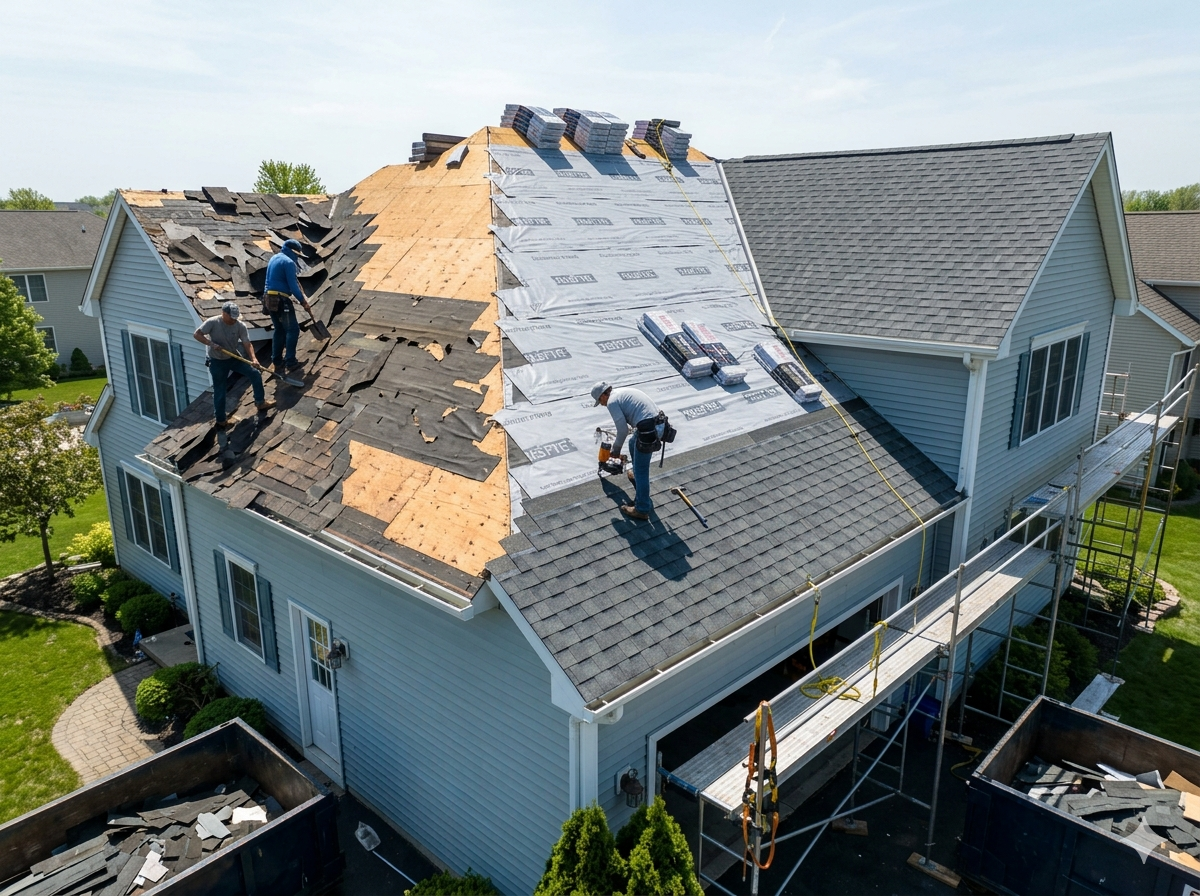
Roof Replacement
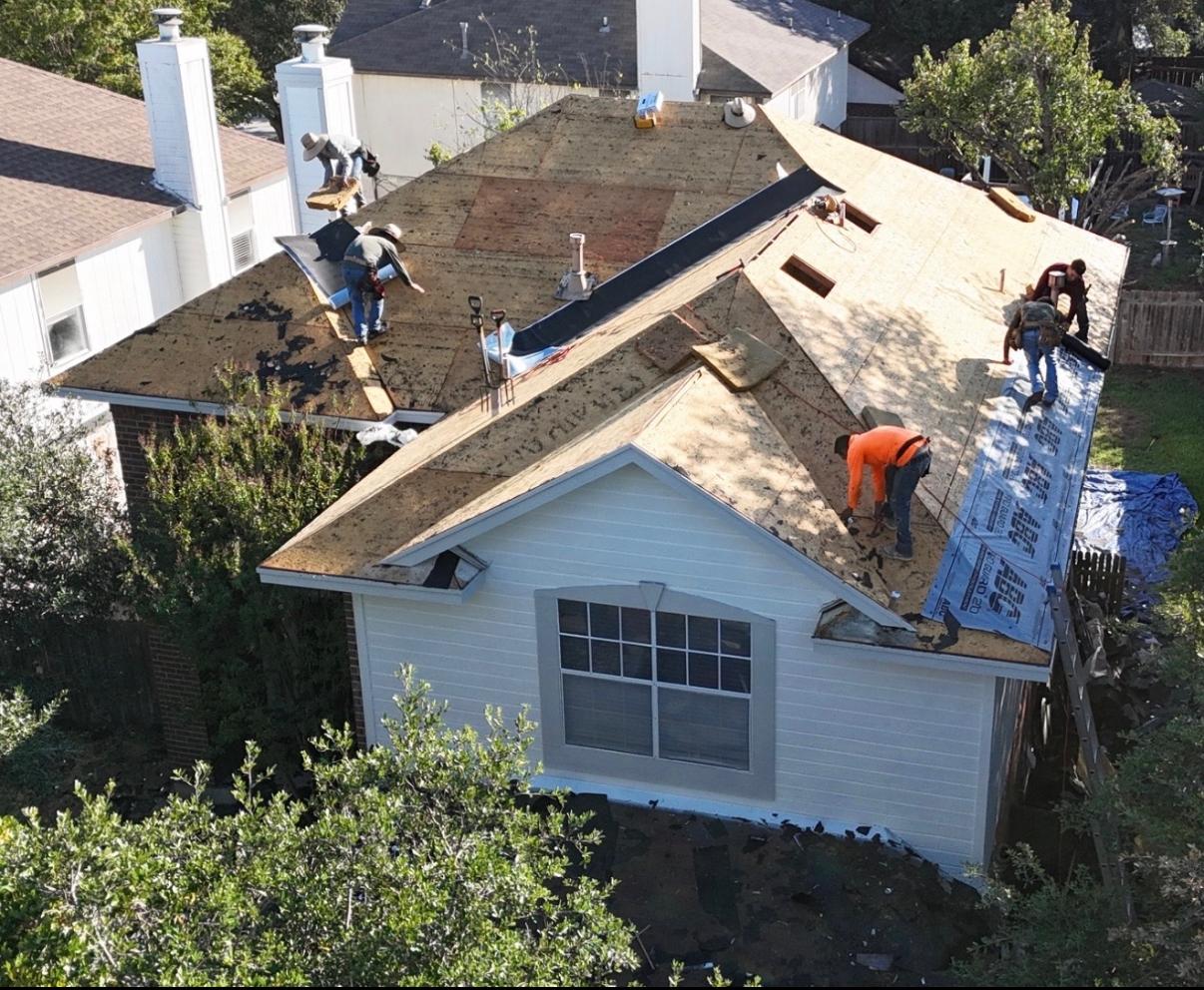
Roof Repair