
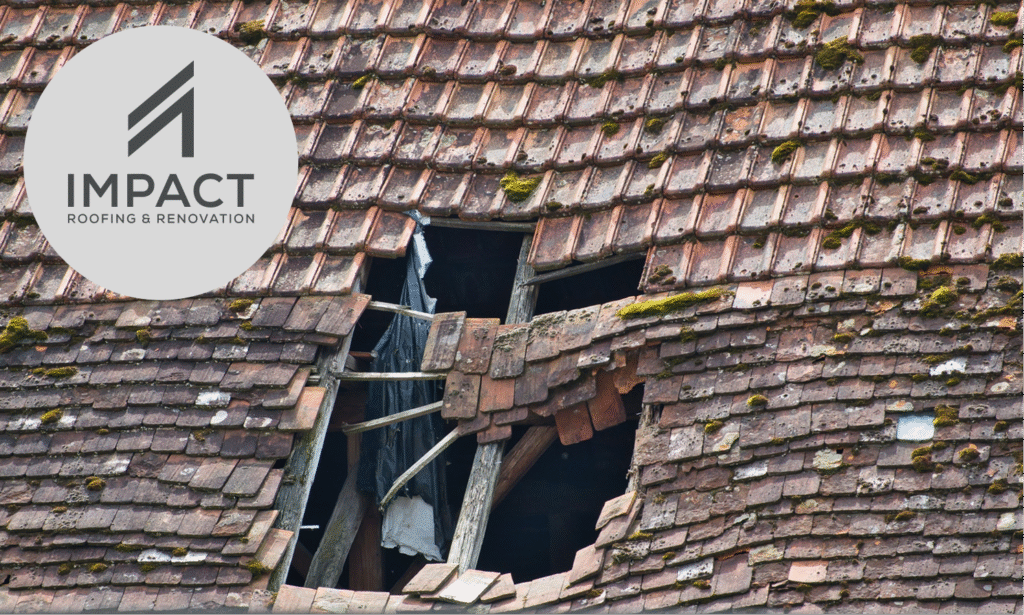
Your roof is your home’s first line of defense against the fierce Texas sun, sudden hailstorms, and torrential downpours. When it’s time for a repair or a full replacement, choosing an Austin roofing contractor is the most critical decision you’ll make. A quality roof protects your investment for decades, but a poor installation can lead to a nightmare of leaks, rot, and financial stress.
So, how can you tell a trustworthy expert from a contractor who will cut corners? The warning signs are often clear long before the first shingle is laid. Based on common Austin homeowner nightmares and industry insights, here are the top five red flags to look out for.
Red Flag #1: Choosing an Austin Roofing Contractor Who Puts The Heat On The Sale
A reputable roofing company understands that a project is a significant investment and will provide a detailed, transparent quote without pressure.
The Red Flag:
A quote that is suspiciously low, lacks itemization, or uses vague language like “replace rotted wood as necessary” without defining what “necessary” means. High-pressure sales tactics, like a “today-only” discount, are another major warning sign. A low bid often means a company plans to use inferior materials, skip crucial steps, or hit you with expensive change orders later.
The Austin-Specific Risk:
With our extreme weather and blazing sun, using underlayment or shingles not rated for high heat and UV exposure can lead to premature failure. A vague quote won’t specify the quality of these materials.
What to Do Instead:
Insist on a written, detailed estimate that breaks down the cost of materials (including brand and type of shingles, underlayment, and ventilation products), labor, tear-off, disposal, and a clear line item for potential decking (plywood) replacement.
Red Flag #2: Choosing an Austin Roofing Contractor Who Forgets The Attic
The true health of your roof isn’t just visible from the outside. The attic tells the real story of leaks, ventilation issues, and structural integrity.
The Red Flag:
A roofing estimator who only looks at your roof from the ground or walks on it briefly, then immediately gives you a price. If they decline to look in your attic, they are missing critical evidence of pre-existing conditions, improper ventilation, and the state of the roof deck from underneath.
The Real-World Consequence:
As one unhappy homeowner shared online, they discovered their brand-new roof was installed over wet, spongy, and moldy plywood because the roofer never bothered to check the attic side. The roofer’s defense was, “If we changed it out for that level of damage, we would be replacing basically all of the plywood”—which was exactly what needed to happen.
What to Do Instead:
Hire a company whose representative insists on a thorough attic inspection. They should be looking for signs of water stains, mold, the condition of the existing decking, and the balance of intake and exhaust ventilation. This is the mark of a true professional.
Red Flag #3: Choosing an Austin Roofing Contractor Who Forgets About Ventilation
A roof is more than just shingles; it’s a system. Proper ventilation is the lungs of that system, and in the Austin heat, it’s non-negotiable.
The Red Flag:
The contractor doesn’t mention your attic ventilation or dismisses your questions about it. An imbalance between intake (soffit vents) and exhaust (ridge or roof vents) can lead to superheated attics. This cooks your shingles from the inside out, skyrockets your energy bills, and promotes mold growth—voiding most shingle manufacturers’ warranties.
The Austin-Specific Risk:
Poor ventilation traps extreme heat, which can bake the adhesive strips on shingles, causing them to curl and fail years ahead of schedule.
What to Do Instead:
Your roofer should assess your current ventilation and explain their plan to ensure it meets the minimum standard (typically 1 sq. ft. of net free vent area for every 150 sq. ft. of attic space) and is balanced. They should discuss your options, like ridge vents or solar-powered fans.
Red Flag #4: Choosing an Austin Roofing Contractor Who Isn’t From Austin
Trustworthy contractors are proud of their credentials and their reputation in the community. A fly-by-night operation has neither. While Texas doesn’t require roofing contractors to be licensed by the state, there are other certifications from manufacturers and the Roofing Contractors Association of Texas (RCAT).
The Red Flag:
The company cannot readily provide proof of certification and insurance, or they pressure you to handle pulling the city permit yourself. Be wary of out-of-town “storm chasers” who roll into town after a big hail event and leave just as quickly.
The Real-World Consequence:
If a worker gets injured on your property and the company lacks insurance, you, the homeowner, could be held liable. If the company vanishes, so does your workmanship warranty.
What to Do Instead:
Verify their credentials. Ask for proof of both liability and workers’ compensation insurance. Check for a physical address and look at online reviews on multiple platforms, such as Google Business Profile or the Better Business Bureau (BBB).
Red Flag #5: Choosing an Austin Roofing Contractor Who Can’t Deliver
The roofing process can be complex. A professional company manages this complexity through clear, consistent communication.
The Red Flag:
You can’t get clear answers to your questions, your calls go unreturned, or the salesperson makes grandiose promises that seem too good to be true. A lack of a detailed contract is the ultimate communication failure.
The Real-World Consequence:
Poor communication during the estimate phase almost always leads to problems during the project. You need a single, reliable point of contact for questions and concerns.
What to Do Instead:
Choose a company that is responsive, patient, and willing to explain the process in terms you understand. Get everything in writing, including the project timeline, payment schedule, and specific warranty details for both materials and workmanship.
Choosing a roofer in Austin doesn’t have to be a leap of faith. By steering clear of these five red flags, you can find a qualified, professional partner who will ensure your roof is built to last, protecting your home for years to come.
Impact Roofing & Renovation does all this and more. Learn about it here.
Frequently Asked Questions
How long will a typical roof replacement take?
A full roof replacement on an average single-family home in Austin typically takes 1-3 days, depending on the size and complexity of the roof (e.g., number of stories, steepness, number of penetrations like skylights). Weather delays can impact this timeline. A professional company will provide a clear schedule upfront.
What should I do to prepare my home for a roof replacement?
There are a few key steps: clear your driveway and the area around your house to give the crew space for their dumpster and equipment, move valuable items from your attic and garage to protect them from vibration dust, cover items in your garage with sheets, and trim back any tree branches that overhang the roof. Your roofer should provide a detailed preparation list.
What is the typical payment schedule for a roofing project?
A reputable schedule is never 100% upfront. A common and fair structure is a small deposit to secure the project (10-33%), progress payments tied to milestones (e.g., payment upon delivery of materials), and the final, largest payment due only after you have done a final walk-through, are completely satisfied with the work, and all debris has been removed from your property.
How does the insurance claims process work for roof damage?
While processes vary, a trustworthy roofer can guide you. Typically, you file a claim with your insurer, who will send an adjuster to assess the damage. It is highly beneficial to have your chosen roofing contractor present during the adjuster’s inspection to ensure all damage is documented. The roofer can then work with you and the insurance company to agree on the scope of work and ensure the claim covers the full cost of a proper repair or replacement.
What kind of warranty should I expect?
You should receive two warranties: 1) The manufacturer’s warranty on the shingles and other materials, which can range from 25 years to a lifetime but is often prorated. 2) The contractor’s workmanship warranty, which covers the quality of the installation (e.g., against leaks due to installation error). This is crucial and should be for a significant period (e.g., 5-10 years or more). Always get both warranties in writing.