
If your roof starts leaking during an Austin storm, keep everyone away from the wet or sagging area, avoid electrical hazards, contain the water only if you can do so safely, and document the damage. Do not climb onto the roof while rain, lightning, or high winds are present. Once conditions are safe, have a qualified roofing professional stabilize the opening and inspect the roof.
A roof leak during storm conditions is stressful, but a few calm steps protect your family, your home and your insurance claim. Follow the six steps below in order, and call for professional help once it is safe.

That order matters: protect people first, limit interior damage second, and investigate the roof only after the weather has passed.
1. Move people away from the leak
Clear the area below the leak, especially if the ceiling is bulging, cracking, or sagging. Move furniture, electronics, rugs, and valuables if you can reach them without standing under damaged drywall.
Water can travel along rafters, pipes, wiring, and ceiling materials before it becomes visible. The place where water drips into the room may not be directly below the roof opening.
If water is near a light fixture, ceiling fan, outlet, appliance, or electrical panel, do not touch the device or stand in the water. Leave the affected area. If you see sparks, smell burning material, or believe the electrical system is unsafe, contact emergency help or a qualified electrician.
2. Contain water only when it is safe
Place a bucket or waterproof container under a steady drip if the surrounding ceiling is stable and the floor is safe to cross. Towels or plastic sheeting can help protect nearby flooring and belongings.
Do not stand under a ceiling that is holding water. Do not cut or puncture a bulging ceiling unless a qualified professional has assessed the situation and determined that it can be done safely. Wet drywall and insulation can fall without warning.
Check the container frequently and keep children and pets out of the room.
3. Document what happened
Take clear photos and short videos from safe locations. Useful documentation includes:
- The water entry point inside the home
- Wet ceilings, walls, insulation, flooring, and belongings
- The time the leak began and the weather conditions
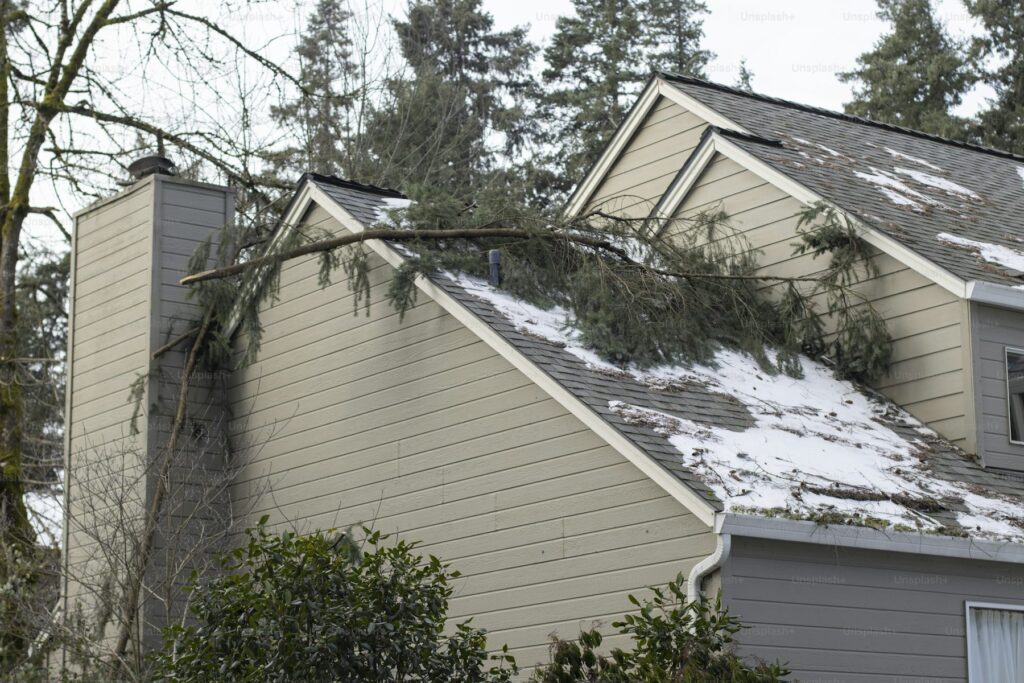
- Any visible exterior damage photographed from the ground
- Temporary measures used to reduce additional damage
- Receipts for emergency services or materials
Do not climb a ladder or walk onto a wet roof to get better pictures. Ground-level photos are enough until a trained professional can inspect the roof.
4. Do not attempt roof work during the storm
Rain, lightning, wind, and wet roofing materials make roof access dangerous. A tarp can be useful as a temporary stabilization measure, but it should be installed only after conditions are safe and by someone trained to work on roofs.
Impact Roofing & Renovation offers emergency roofing help for urgent problems in the Austin and Central Texas area. For an active leak, call (512) 298-2086 and explain where water is entering and whether the ceiling or electrical system appears affected.
5. Arrange an inspection as soon as conditions are safe
An active leak should be inspected promptly after the storm. A qualified roof inspection can look for:
- Missing, lifted, cracked, or displaced roofing material
- Damage around vents, chimneys, skylights, and other penetrations
- Loose or failed flashing
- Open seams, punctures, or exposed underlayment
- Decking or attic moisture
- Gutter and drainage problems that may be directing water toward the structure
A professional should also trace the water path instead of assuming the visible indoor drip marks the exact roof failure.
If the damage appears limited, roof repair may be appropriate. If the roof has widespread damage or repeated failures, compare the practical factors in roof repair versus roof replacement.

6. Understand the difference between roofing work and an insurance decision
A roofing contractor can inspect the roof, document construction-related damage, explain repair options, and provide a scope or estimate. The insurance company determines whether a loss is covered under the policy.
If you may file a claim, review your policy and contact your insurer or agent promptly. Save photos, notes, estimates, and receipts. Texas Department of Insurance storm guidance recommends making temporary repairs necessary to prevent further damage while keeping damaged items and documentation available for the adjuster when practical.
Impact Roofing & Renovation is a roofing contractor, not a public adjuster. The company does not interpret coverage or negotiate claims. Learn more about the appropriate roles on the roof insurance claims information page.
Common Austin-area storm leak sources
The source can vary by roof type and storm conditions. Common areas that require close inspection include flashing, roof penetrations, valleys, low-slope transitions, missing or damaged shingles, cracked tiles, and wind-driven rain entering through an existing opening.
Hail may also damage roofing materials without creating an immediate visible hole. After a severe hail event, use this Austin roof inspection checklist to understand what a professional should examine.
Not every leak means the entire roof needs replacement. The correct solution depends on the location and extent of the damage, the condition of surrounding materials, and whether the roof can be repaired reliably.
What not to do when your roof is leaking
- Do not climb onto a wet roof.
- Do not use a ladder during lightning, high winds, or heavy rain.
- Do not touch wet electrical fixtures or devices.
- Do not stand beneath bulging or sagging ceiling material.
- Do not assume the interior drip is directly below the roof opening.
- Do not make a permanent repair before the roof has been properly inspected.
- Do not accept promises that a contractor can guarantee insurance coverage or a specific claim outcome.
After the immediate leak is controlled
Continue watching the affected area for new staining, odor, soft drywall, or additional dripping. Moisture may remain in insulation, decking, walls, and ceiling cavities even after the visible leak stops.
Schedule a complete roof inspection rather than treating the bucket as the solution. If the leak followed hail, wind, or another severe-weather event, review the company’s storm damage services as well.
How to Prevent a Roof Leak During Storm Season
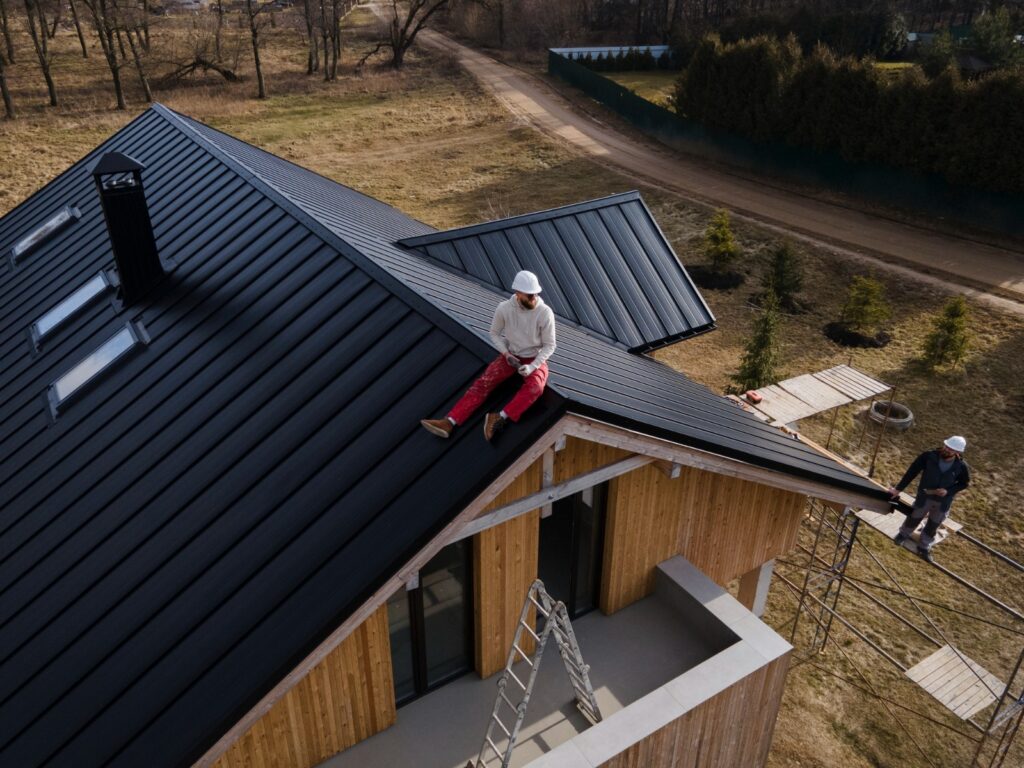
Most storm leaks start at weak points that can be found ahead of time: cracked pipe boots, lifted shingles, open valley flashing, clogged gutters and failing sealant around skylights and chimneys. A spring or fall inspection catches these before heavy rain does. Keep gutters clear, trim branches that overhang the roof and watch your attic after the first big storm of the season.
The National Weather Service Austin/San Antonio office posts severe weather outlooks, which are a good reminder to check your roof before storms arrive. If you already have a leak, our emergency roofing team answers 24/7.
Frequently asked questions
Is a roof leak an emergency?
It can be. Treat the situation as urgent when water is near electricity, ceiling material is sagging, water is entering quickly, or the opening is exposing the home to continuing rain. Keep people out of the affected area and seek qualified help.
Can I tarp my roof while it is still raining?
No. Do not climb onto a roof during rain, lightning, high winds, or while roofing materials are wet. Wait until conditions are safe and use a trained professional for temporary roof stabilization.
Should I call a roofer or my insurance company first?
For an active leak, protect people, document the damage, and arrange safe temporary stabilization. Contact your insurer promptly if you plan to make a claim or have coverage questions. A roofer can document the physical condition and explain construction options; the insurer decides coverage.
Does homeowners insurance cover a roof leak?
Coverage depends on the cause of the damage and the terms, exclusions, and condition requirements in the policy. Sudden storm damage may be treated differently from wear, deferred maintenance, or an older unresolved leak. Only the insurer can determine coverage for a specific loss.
How soon should the roof be inspected?
An active leak should be inspected as soon as weather and site conditions allow the work to be performed safely. Prompt documentation and stabilization can help limit additional damage.
Get help with an active Austin-area roof leak
If your roof is leaking, call Impact Roofing & Renovation at (512) 298-2086 or request a free inspection. Describe the active leak, any ceiling movement, and whether water is near electricity so the situation can be prioritized appropriately.