
A roof inspection after hail in Austin can reveal damage that is easy to miss after a loud, fast, and surprisingly uneven Central Texas storm. One side of a neighborhood may see only pea-size hail while homes a few blocks away take a harder hit. Even on the same property, the roof can absorb more damage than the driveway, fence, or siding suggests.
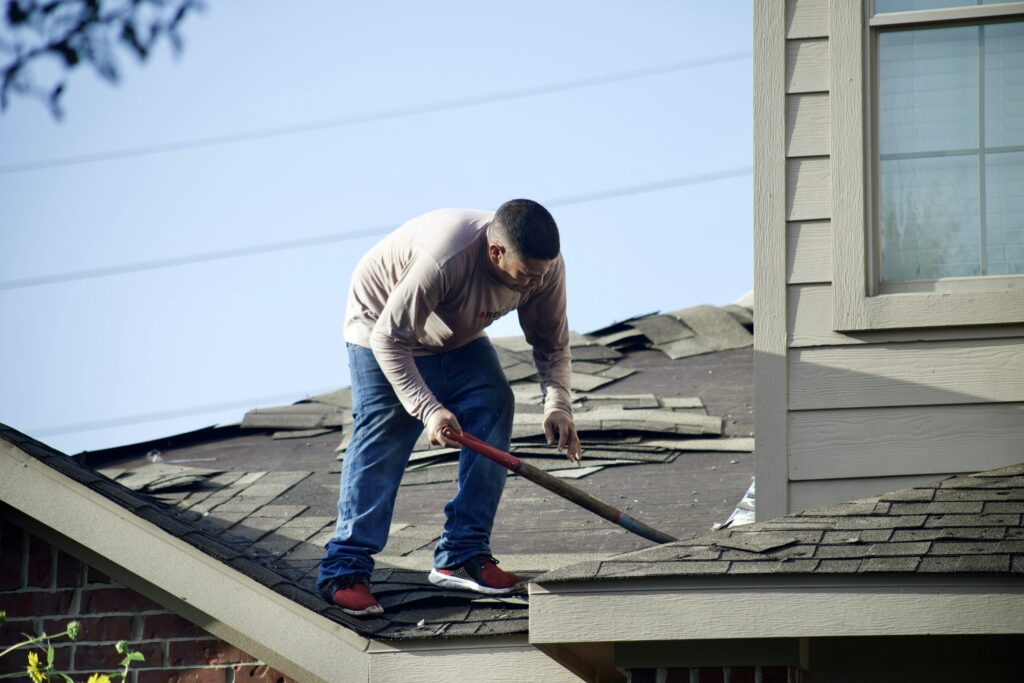
If hail recently moved through Austin, Lakeway, Bee Cave, Dripping Springs, Spicewood, Cedar Park, Westlake, or Round Rock, you do not need to assume that your roof is ruined. You also should not assume it is fine because there is no immediate leak. A timely, professional roof inspection can separate normal wear from storm damage and give you clear documentation before a small opening becomes a larger repair.
When should you schedule a roof inspection after hail?
Schedule an inspection when a storm produced hail near your property and you notice any sign of impact, wind damage, or water intrusion. It is especially sensible when:
- Hail was large enough to dent gutters, downspouts, roof vents, metal flashing, vehicles, or outdoor equipment.
- Shingles, ridge caps, or flashing are visible in the yard.
- You see dark spots, exposed fiberglass, lifted shingle edges, or missing granules from the ground.
- Water stains, damp insulation, bubbling paint, or musty odors appear indoors.
- A skylight, chimney, vent, or roof penetration looks damaged.
- Neighbors with similar homes are reporting confirmed roof damage.
- The roof is older or already had brittle, curled, or loose shingles before the storm.
Active leaking, a puncture, a fallen limb, or a section of missing roofing calls for immediate help. Impact R&R offers 24/7 emergency roofing service for conditions that cannot safely wait.
Can a hail-damaged roof look normal from the ground?
Yes. Hail can affect a roofing system without leaving an obvious hole. On asphalt shingles, a strike may loosen protective granules or bruise the material beneath the surface. The damage can be difficult to distinguish from age, foot traffic, manufacturing marks, or ordinary weathering without a close inspection.
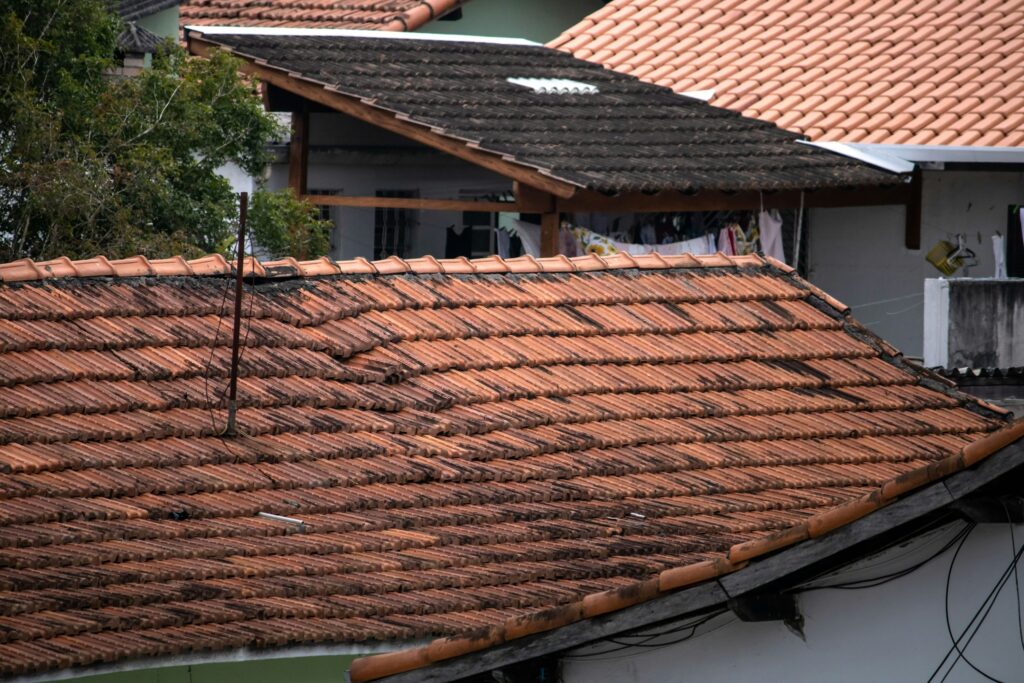
Other roofing materials show impact differently. Metal may dent without leaking, while tile can crack at edges or in less visible areas. Roof accessories—including vents, pipe boots, flashing, gutters, and skylights—may provide clearer evidence of the storm than the field of the roof itself.
That is why a proper roof inspection should look at the complete system rather than count a few marks on one slope.
What can you safely check yourself?
Start on the ground and inside the house. Do not climb onto a wet, steep, or potentially damaged roof.
Outside the home
Walk around the property and photograph:
- Dents or impact marks on gutters, downspouts, vents, window screens, fences, and exterior metal.
- Shingle pieces, granules, flashing, or branches on the ground.
- Missing or lifted material along roof edges and ridges.
- Damage to siding, trim, windows, garage doors, and outdoor equipment.
Inside the home
Check ceilings, upper walls, attic areas, and spaces around skylights or chimneys. Look for new staining, dampness, dripping, or displaced insulation. If water is near an electrical fixture, avoid the area and call qualified help.
Take wide photos that show the location and close-up photos that show the damage. Record the date and approximate time of the storm. Keep receipts for any temporary protection needed to prevent additional damage.
The Texas Department of Insurance recommends documenting damage, preventing further loss with temporary measures, keeping receipts, and contacting the insurer promptly when a claim may be involved.
What does a professional hail inspection include?
A useful inspection is more than a quick glance or a sales pitch. The roofer should evaluate accessible portions of the property, explain what was found, and distinguish urgent problems from items that can be monitored.
At Impact R&R, an inspection may include:
- Roof covering: Shingles, metal panels, tile, seams, fasteners, and surface wear.
- Edges and transitions: Ridges, hips, valleys, eaves, rakes, and roof-to-wall areas.
- Penetrations: Pipe boots, vents, skylights, chimneys, flashing, and sealant joints.
- Drainage: Gutters and downspouts that may be dented, loose, clogged, or pulling away.
- Interior indicators: Accessible attic or ceiling areas where moisture may be entering.
- Documentation: Photos and a clear explanation of observed conditions and recommended next steps.
Not every inspection leads to a replacement. Some roofs need a focused roof repair. Others may have storm damage extensive enough to justify discussing roof replacement. A trustworthy contractor should be willing to tell you when no immediate work is necessary.
Should you call a roofer or your insurance company first?
If the home is unsafe or actively leaking, protect people first and arrange emergency mitigation. For a possible insurance claim, read your policy and contact your insurer or agent promptly. Policy terms, deductibles, filing deadlines, exclusions, and payment methods vary.

A roofing contractor can inspect and document physical conditions, prepare a repair estimate, and answer construction questions. The insurance company decides coverage and claim payment. Impact R&R can provide roof insurance documentation information, but does not replace your insurer, adjuster, attorney, or policy documents.
Before permanent repairs begin, coordinate with the insurer when required. Temporary work should be limited to what is reasonably needed to prevent additional damage, with photos and receipts retained. The Texas Department of Insurance also advises homeowners to compare bids, verify references, avoid paying the full amount upfront, and never work with a contractor offering to waive the deductible.
How soon does hail damage cause a leak?
There is no universal timeline. A severe strike can create an immediate opening, while less obvious damage may weaken a component that fails during a later rain or wind event. Roof age, material, prior condition, slope, installation quality, and where the hail hit all matter.
The practical approach is to inspect soon enough to document the condition while the storm date is still clear. Waiting for a ceiling stain can turn a roof problem into damaged insulation, drywall, paint, flooring, or personal property.
What if the inspection finds no storm damage?
That is still a useful result. You gain a current condition check and a baseline for future maintenance. The inspector may identify ordinary wear, a minor flashing issue, clogged drainage, or a maintenance item unrelated to hail. Addressing a small problem early is usually simpler than dealing with an active leak later.
If the roof is in good condition, keep the documentation with your home records and continue routine inspections after major storms and as the roof ages.
Choose a local Central Texas roofing team
Storms often bring temporary crews and high-pressure offers into affected neighborhoods. Work with a contractor who has a verifiable local presence, current insurance, clear written estimates, references, and a process for explaining findings without pressure.
Impact Roofing & Renovation is based in the Lakeway area and serves homeowners throughout Austin and the Texas Hill Country. Our team performs hands-on inspections, documents what we find, and explains whether the next step is maintenance, repair, replacement, or simply monitoring the roof.
Schedule a free roof inspection after an Austin hailstorm
If hail recently passed through your neighborhood, schedule a free roof inspection. We will assess the roof, explain the findings in plain language, and help you understand the practical next step without an obligation to replace a roof that does not need replacing.
Call (512) 298-2086 or request your free inspection online.
Hail Damage Roof Inspection in Austin: A Quick Homeowner Checklist
Use this short checklist to decide whether a roof inspection after hail should be on your calendar this week:
- Hail of about one inch or larger was reported in your neighborhood.
- Gutters, downspouts, vents or your car show fresh dents.
- Shingle granules are collecting at downspout outlets.
- Neighbors are getting roof inspections or replacements.
- You see new ceiling stains, damp insulation or daylight in the attic.

If any of these apply, book a professional roof inspection before the next rain. Hail damage often does not leak right away, but cracked or bruised shingles can fail months later, and insurance policies set time limits for reporting storm damage. Our roof inspection includes dated photos and a written summary, and our storm damage team can help with next steps. Upgrading your roof? Learn how impact resistant roofing reduces future hail damage.
Frequently asked questions
Does every Austin hailstorm damage a roof?
No. Damage depends on hail size and density, wind speed and direction, roofing material, roof age, slope, and the condition of the system before the storm. Nearby properties can experience different outcomes.
Can I inspect the roof with a drone?
A drone can document broad areas and may be appropriate when access is unsafe, but photos from above do not always reveal bruising, loosened material, or subtle flashing problems. A hands-on inspection is preferred when the roof can be accessed safely.
Will homeowners insurance pay for hail damage?
Coverage depends on the policy, cause of loss, deductible, exclusions, roof age, and the insurer’s evaluation. Review your policy and speak with your insurance company or agent. A contractor can document damage and estimate repairs but cannot determine coverage.
Is a free inspection the same as an insurance inspection?
No. A roofing inspection documents the roof’s physical condition. The insurer may send its own adjuster or inspector to evaluate a claim under the policy.